

 Facebook
 X
X
 Pinterest
 Copy Link
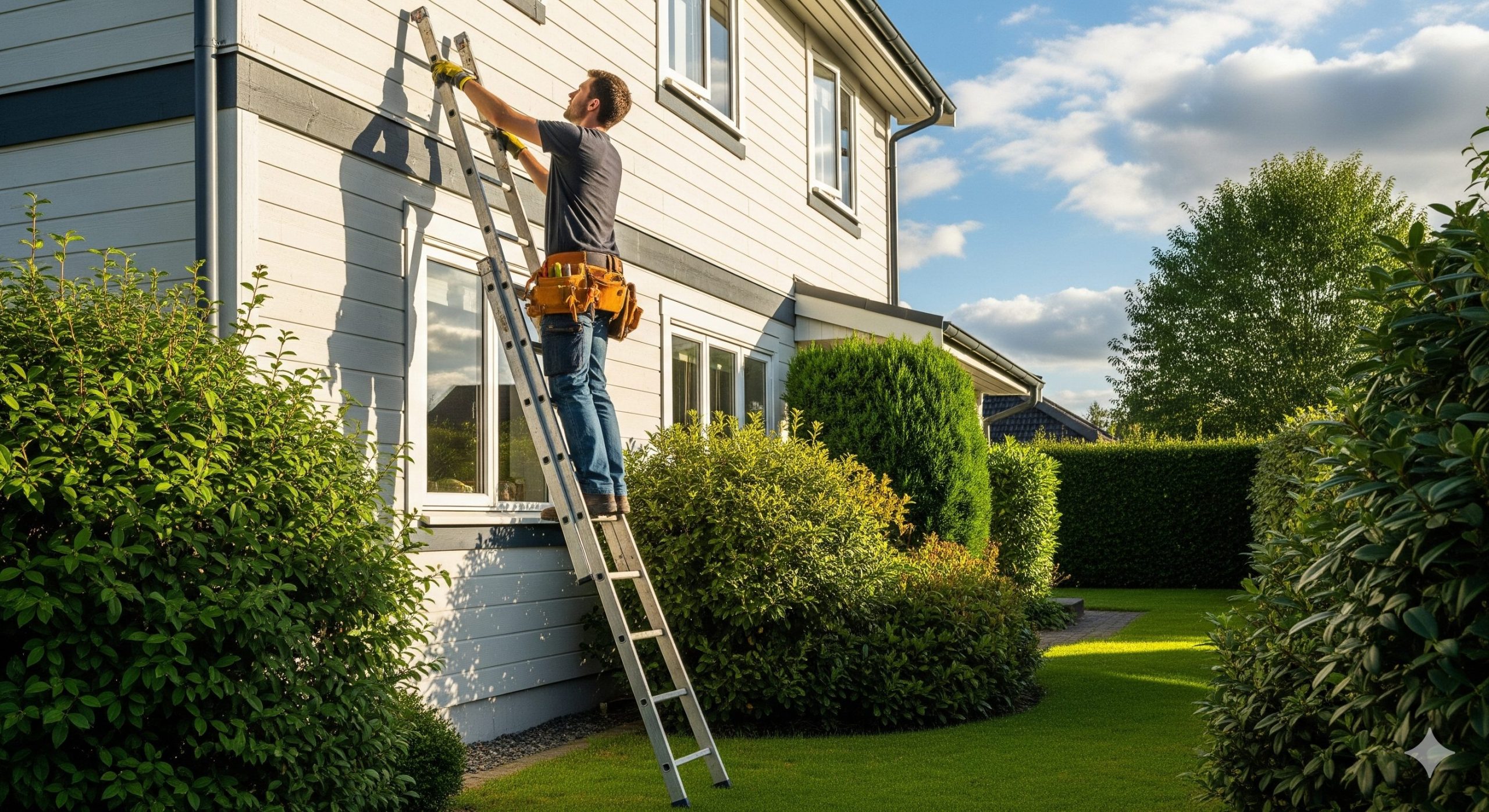
Owning a home is a rewarding experience, but it comes with responsibilities. One of the biggest challenges homeowners face is staying on top of maintenance. Ignoring small issues can lead to significant and expensive problems down the line. This blog post will outline 10 essential home maintenance tips to help you prevent deferred maintenance issues and keep your home in top shape.
1. Inspect Your Roof Regularly
Your roof is your home’s first line of defense against the elements. Regularly inspect it for damaged, missing, or curling shingles. Look for signs of wear around chimneys, vents, and skylights. Small repairs can prevent leaks that lead to costly water damage and mold growth.
2. Clean Gutters and Downspouts
Clogged gutters can cause water to back up and overflow, leading to fascia damage, foundation issues, and even basement flooding. Clean your gutters at least twice a year, especially after autumn leaves have fallen. Ensure downspouts direct water away from your home’s foundation.
3. Check and Seal Windows and Doors
Drafty windows and doors not only increase your energy bills but can also allow moisture intrusion. Inspect the caulking and weatherstripping around all windows and doors. Replace any that are cracked, worn, or missing to maintain a tight seal.
4. Test Smoke and Carbon Monoxide Detectors
This isn’t just about deferred maintenance; it’s about safety. Test your smoke and carbon monoxide detectors monthly and replace batteries at least once a year. These devices are crucial for protecting your family from fire and dangerous gas leaks.
5. Inspect and Clean HVAC Filters
Your heating, ventilation, and air conditioning (HVAC) system works hard to keep your home comfortable. Clogged filters reduce efficiency, increase energy consumption, and can lead to system breakdowns. Check and replace or clean your HVAC filters every 1-3 months, depending on usage and presence of pets.
6. Examine Your Foundation
Walk around your home and inspect your foundation for cracks, shifting, or bowing. Small hairline cracks might be normal, but larger cracks or significant movement could indicate serious structural issues that require professional attention.
7. Maintain Your Plumbing
Regularly check for leaks under sinks, around toilets, and near appliances like washing machines and dishwashers. Fix drips promptly, as even small leaks can waste water and lead to mold or rot over time. Also, learn how to shut off your main water supply in case of an emergency.
8. Inspect Electrical Outlets and Cords
Look for signs of wear and tear on electrical cords and ensure outlets aren’t overloaded. If you notice flickering lights, frequently tripped breakers, or warm outlets, have a qualified electrician inspect your system to prevent fire hazards.
9. Pressure Wash Siding and Decks
Over time, dirt, mold, and mildew can build up on your home’s exterior siding and decks. Pressure washing not only improves curb appeal but also helps prevent damage and rot to these surfaces. Be careful to use the correct pressure settings to avoid damaging materials.
10. Service Your Water Heater
Sediment can accumulate in your water heater, reducing its efficiency and lifespan. Drain a few gallons from your water heater tank once a year to flush out sediment. Also,
